This project analyzed Elon University Football's Instagram and X (Twitter) accounts over the 2025 season, looking at 875 total posts and 514 manually logged comments. The goal was to figure out what actually drives engagement — and the main finding was that it's not just the platform or the content type on their own, but the combination of the two. Instagram video content outperformed everything else by a wide margin, and the data showed that this is because video and Instagram's design reinforce each other in a way neither can achieve alone. The project used t-tests, ANOVA, regression, and a custom sentiment scoring system to support those conclusions, and wrapped up with practical recommendations for how Elon Football should approach its content strategy going forward
This study examines whether in-venue advertising at Elon University basketball games builds measurable brand awareness among undergraduate students, testing aided and unaided recall of four local advertisers across three groups divided by game attendance frequency. The results find no consistent evidence that advertised brands outperformed non-advertised competitors or that higher attendance correlated with higher awareness, with one non-advertised auto repair shop actually outperforming its advertised counterpart. Drawing on Media Richness Theory and sports sponsorship literature, the study concludes that advertising presence alone does not guarantee awareness gains, and that format richness, exposure frequency, and audience life-stage are likely as important as placement itself.
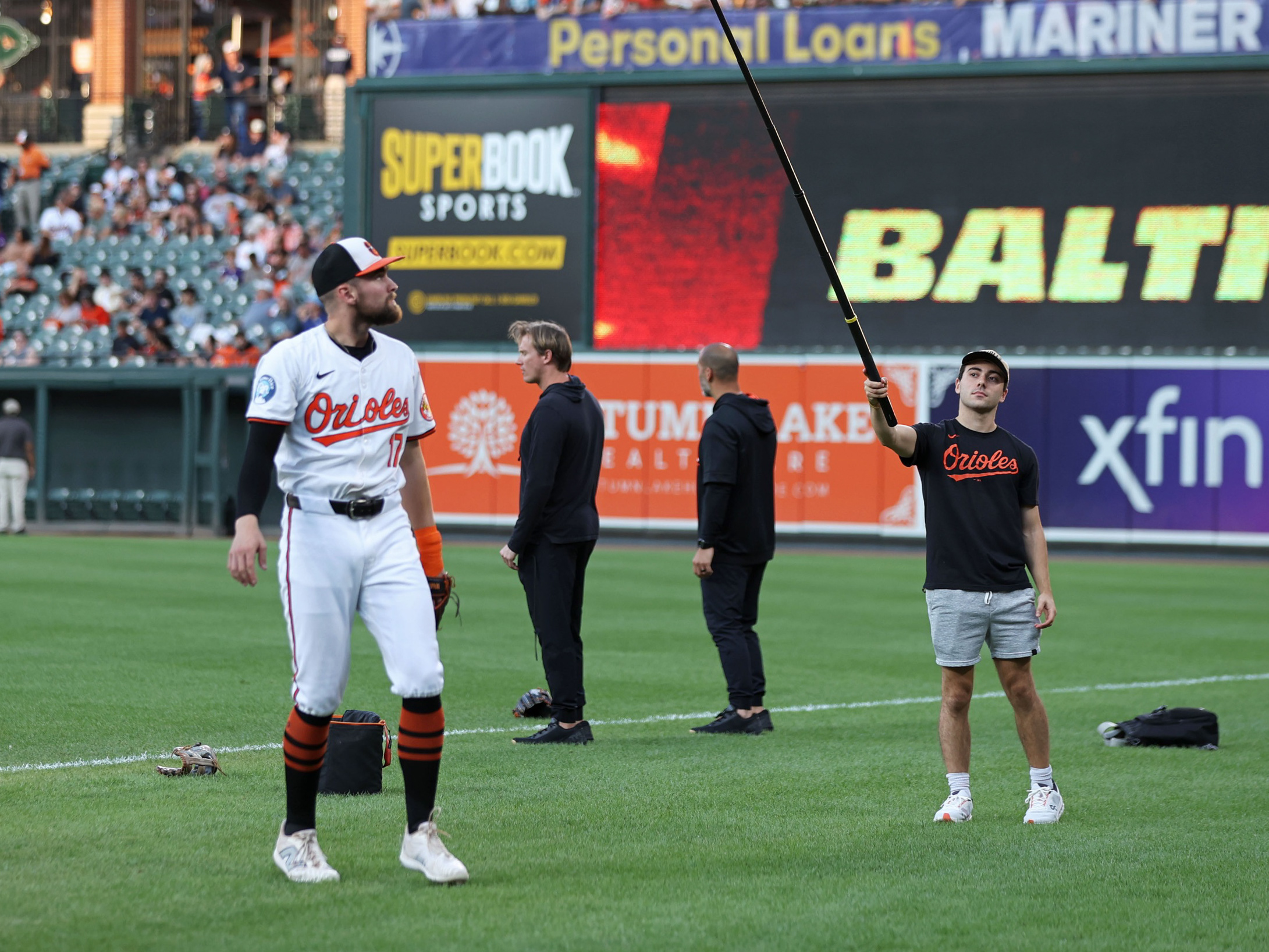
This project looked at whether MLB's 2023 pitch clock accelerates pitcher fatigue, using Statcast data for five pitchers across three metrics: velocity decline, release extension, and vertical release point drop. Regression models found no significant increase in within-outing fatigue after the rule change, but the visualizations told a more interesting story — pitchers are throwing slightly slower overall in the clock era, even if they are not fading faster pitch-by-pitch. Relievers were dropped from the fatigue analysis due to inconsistent usage patterns, and the study notes that for older pitchers like Darvish, it is hard to separate pitch-clock effects from natural age-related decline.
This project used geospatial analysis in R to explore the relationship between adult obesity rates and fast-food density across U.S. states. Using CDC county-level health data and a Kaggle dataset of restaurant locations, the project mapped obesity rates nationwide and then zoomed in on the four most obese states (Mississippi, Louisiana, Oklahoma, and Alabama) and the four least obese (DC, Hawaii, Colorado, Vermont). Z-scores were used to measure whether specific chains — McDonald's, Chick-fil-A, Burger King, Subway, and Taco Bell — were over- or underrepresented in high- versus low-obesity states. The results showed consistent directionality: high-obesity states had slightly above-average fast-food density across most chains, while low-obesity states fell below the national average, with Chick-fil-A showing the strongest overrepresentation in the most obese states. The project stops short of claiming causation, framing the findings as a geographic pattern worth further investigation.